

New Delhi [India], June 8 (ANI): Beijing has pushed back against the US Trade Representative's plan to impose additional tariffs on China and 59 other economies over alleged forced labor, while welcoming Washington's signal that tariff reductions may be considered for non-sensitive products.
China's Ministry of Commerce (MOFCOM) posted on social media platform X to state that it opposes unilateral trade restrictions and pointed to a newly agreed 'Board of Trade' mechanism to negotiate reciprocal tariff cuts.
China's position on the Section 301 investigation remains unchanged, the Chinese Commerce Ministry said. 'China opposes all forms of unilateral restrictive measures, including the series of trade restrictions imposed on China under the pretext of 'forced labour'. China has repeatedly stated its solemn position on this matter. We urge the US to work with China towards the same direction and jointly maintain the stability of China-US economic and trade relations.' The statement reiterates Beijing's long-standing view that forced-labour sanctions are protectionist tools rather than human-rights measures, and that tariff hikes risk destabilising bilateral trade flows.
The Ministry also addressed USTR's indication that it is considering reducing tariffs on certain products 'that are not sensitive to China and the US'. According to MOFCOM, both sides have agreed, under previous economic and trade consultations, to establish a Board of Trade.
'Under which arrangements for reciprocal tariff reductions on products on an equivalent scale will be discussed,' the ministry said. China framed this as a constructive move: 'China believes that this arrangement will be a right step taken by the US side regarding its tariff policy toward China and will have positive significance for stabilizing and expanding bilateral trade between China and the US.'
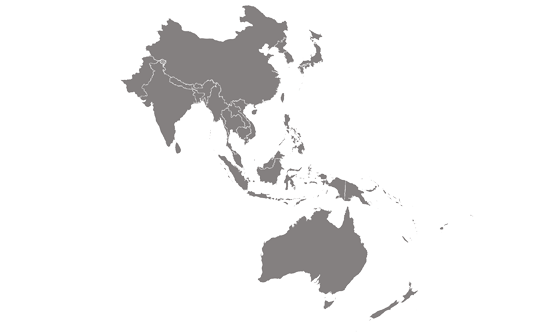
USTR recently announced that it will impose an additional 12.5 per cent tariff on India and 59 other economies over allegations of using forced labour to produce imported goods.' The move is based on Section 301 of the Trade Act of 1974. USTR concluded that the acts, policies and practices of 60 economies related to the failure to impose and effectively enforce a prohibition on goods produced with forced labour are 'unreasonable and burdens or restricts US commerce'.
China is in the 12.5% tier because the USTR determined it 'failed to impose and effectively enforce a prohibition on the importation of goods produced with forced labour'. The China Council for the Promotion of International Trade has already called the proposed 12.5% duties 'unfair' and said the business community is 'strongly dissatisfied'.
MOFCOM said the 'economic and trade teams of the two sides will maintain close communication to finalize the specific arrangements and put them into implementation as soon as possible.'
The speed of implementation will be the test. If the Board of Trade moves quickly on reciprocal cuts, it could cushion trade volumes in H2 2026. If talks stall over the definition of 'non-sensitive' products or verification standards for forced labour, the risk of fresh tariffs remains, keeping supply chains and markets on edge. (ANI)