

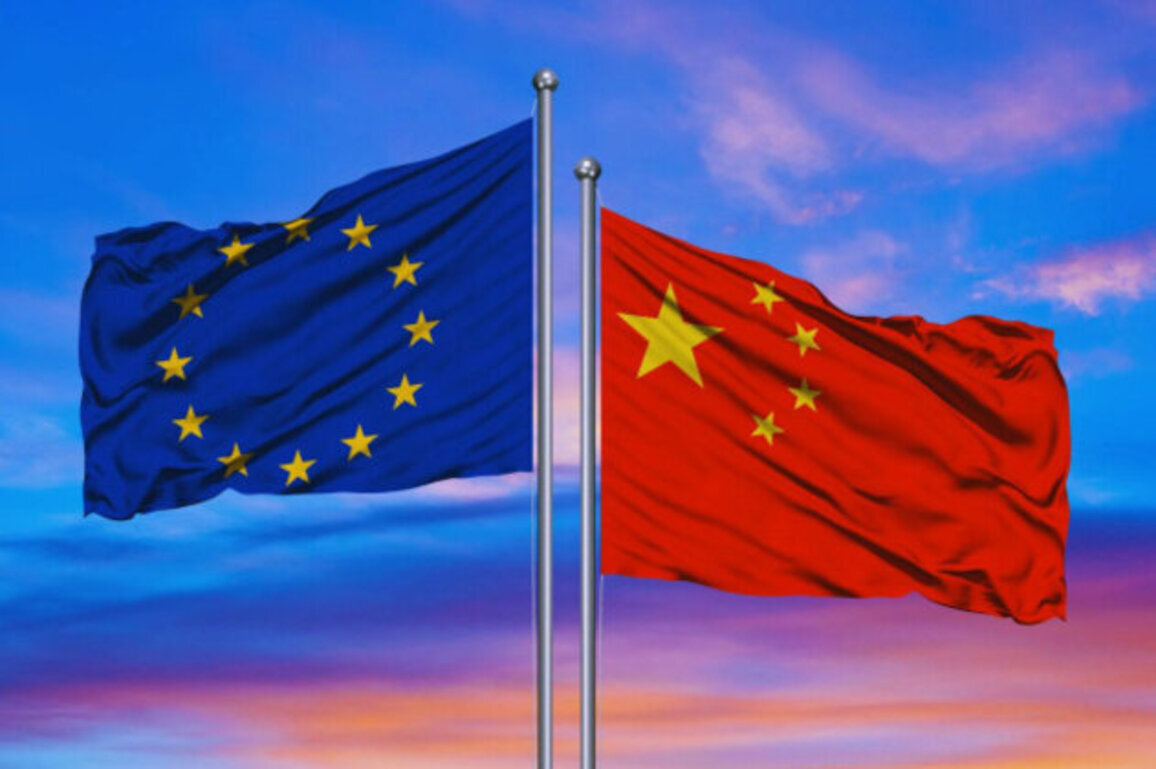
China has sharply criticized the European Union's proposed ?Made in Europe? industrial rules, warning that Beijing is prepared to respond if the legislation moves forward and damages the interests of Chinese companies operating in the bloc.
The dispute centers around the EU's new plan to strengthen European industry and reduce dependence on foreign suppliers, particularly in sectors considered strategic such as electric vehicles, batteries, green technologies and steel production.
Presented in March, the proposal introduces new conditions for companies seeking access to public funding in these industries. Under the plan, businesses would need to meet minimum requirements for the use of EU-made components in order to qualify for support.
The initiative is part of Brussels? broader effort to restore competitiveness, slow industrial decline across the union and protect jobs that European officials fear could be lost under pressure from cheaper foreign competition.
The legislation, officially called the Industrial Accelerator Act, had been delayed for months because of disagreements within the EU over how strict the measures should be.
European manufacturers in several sectors have long argued that they are competing against Chinese rivals that benefit from strong state subsidies and unfair market advantages, particularly in the fields of batteries and electric vehicles.
The new rules are seen as an attempt to rebalance that competition by strengthening domestic production and limiting overreliance on imported industrial goods.
China's Ministry of Commerce said it had already formally responded to the European Commission, submitting comments on Friday and expressing what it described as 'serious concerns? over the proposed law.
Beijing called the plan 'systemic discrimination? and warned that it could seriously affect Chinese businesses operating in Europe.
?If the EU presses ahead with the legislation, and thereby harms the interests of Chinese companies, China will have no choice but to take countermeasures to firmly safeguard the legitimate rights and interests of its enterprises,? the ministry said in an official statement.
One of the most sensitive elements of the proposal is that foreign companies, especially in the battery and electric vehicle sectors, could be required to form partnerships with European firms and transfer technological expertise when establishing operations inside the EU.
Although the legislation does not name China directly, it is widely viewed as targeting Chinese manufacturers, whose rapid expansion in the European market has raised concern among policymakers and industry leaders.
The Chinese Chamber of Commerce to the EU also criticized the proposal earlier this month, saying it reflects a broader shift toward protectionism in Europe and could damage long-term trade cooperation between Brussels and Beijing.
According to the chamber, the new industrial strategy risks undermining trust between the two sides and creating additional barriers for investment and technological collaboration.
The growing dispute highlights the increasingly tense economic relationship between the EU and China, as Europe seeks to protect its industrial base while Beijing accuses Brussels of restricting fair market access under the banner of economic security.